
7 Ways Cloud Technology Is Changing Modern Call Centers
Call centers are increasingly moving away from traditional systems as businesses look for more flexible and efficient ways to manage customer interactions. Supporting remote agents, handling growing call volumes and keeping operations organised can become challenging when teams rely on physical infrastructure and disconnected tools. Cloud dialer software gives businesses a more flexible way to manage calling operations through an internet-based platform. From supporting distributed teams to improving access to call data, here are 7 ways cloud technology is changing modern call centers.
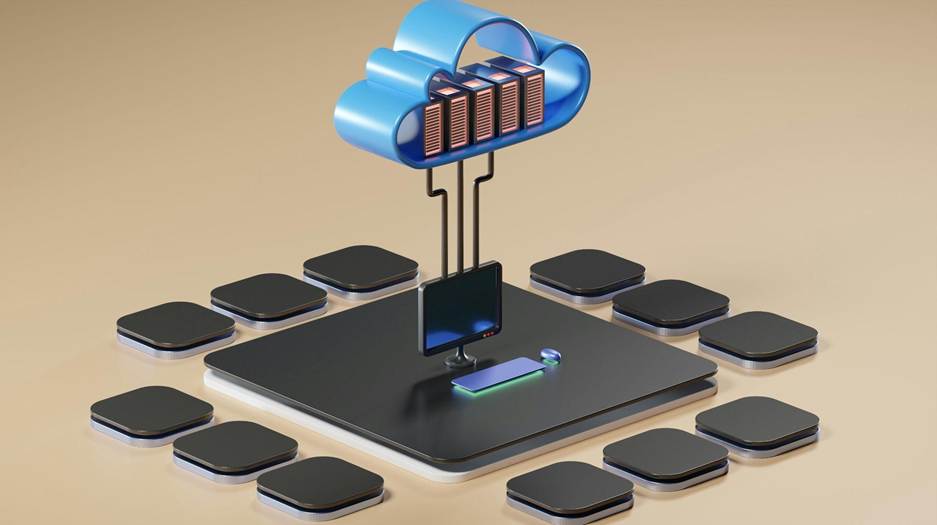
1. Making Remote Calling Easier
One of the biggest changes brought by cloud technology is the ability to support teams that are not working from a single office. Traditional calling systems can depend heavily on physical equipment and office-based infrastructure, which can make remote operations more complicated.
Cloud-based calling gives agents greater flexibility by allowing them to access calling tools through an internet connection. This can be particularly useful for businesses with remote employees or teams operating across multiple locations. Managers can also maintain a more consistent calling environment without requiring every agent to work from the same physical office.
2. Reducing Dependence on Physical Infrastructure
Traditional call center setups can require businesses to invest in hardware, telephone systems and other physical infrastructure. Maintaining these systems can also create additional responsibilities for internal IT teams, particularly as the business grows.
Moving calling operations to the cloud can reduce the need for extensive on-site infrastructure. Instead of relying entirely on physical equipment, businesses can manage many calling functions through an online platform. This can make the overall setup easier to maintain and give businesses more flexibility when their operational requirements change.

3. Helping Teams Handle High Call Volumes
Managing a large number of calls can put considerable pressure on calling teams. Agents may spend valuable time completing repetitive tasks between conversations, while managers have to coordinate large contact lists and ongoing campaigns.
Cloud dialer software can support automated calling workflows that help teams manage high-volume campaigns more efficiently. By reducing some of the manual work involved in making calls, agents can spend more time focusing on actual customer conversations. This can be particularly useful for businesses that regularly conduct large outbound campaigns.
4. Improving Access to Call Information
Call centers generate a significant amount of information through their daily activities. Call records, campaign results and agent activity can provide valuable insights, but this information is less useful when it is difficult for managers to access or organise.
Cloud-based systems can bring calling information into a centralised environment. Managers can review relevant activity and use available data to understand how campaigns are performing. Having this information more readily available can make it easier to identify operational issues and make decisions based on actual calling activity.
5. Making Team Management More Flexible
Managing calling teams becomes more complex when agents work from different offices or locations. Managers still need to coordinate campaigns, monitor activity and ensure that agents have access to the tools they need.
With cloud dialer software, businesses can manage calling operations through a central platform rather than relying entirely on office-specific systems. This can give managers greater flexibility when organising teams and campaigns while making it easier to maintain consistent processes across different locations.
Alt text: cloud dialer software: remote team management
6. Supporting More Connected Customer Interactions
Customer information plays an important role in effective calling. Agents need relevant details about previous conversations and customer requirements to make interactions more useful. When information is scattered across different systems, agents may have to spend additional time searching for the right details.
Cloud technology can help connect calling activities with other business tools and information sources. This allows teams to create a more organised workflow around customer interactions and makes it easier for agents to work with the information available to them during calls.
7. Making Call Centers Easier to Scale
Calling requirements can change quickly as a business grows. A company may need to support more agents, handle larger campaigns or expand its customer outreach without completely rebuilding its existing calling infrastructure.
Cloud technology provides greater flexibility when businesses need to adjust their calling operations. Cloud dialer software can allow businesses to expand their use of calling tools as their requirements grow, making it easier to support changing team sizes and campaign volumes.
This scalability can be particularly valuable for businesses that experience seasonal demand or regularly launch new calling campaigns.
Conclusion
Cloud technology is changing call center operations by making calling systems more flexible, accessible and easier to manage. From supporting remote teams and reducing reliance on physical infrastructure to improving access to information and simplifying scalability, cloud-based solutions can address several challenges faced by modern calling teams.
For businesses looking to modernise their calling operations, cloud dialer software can provide a flexible foundation that supports both current requirements and future growth. As calling teams become increasingly distributed and customer interactions become more complex, cloud-based technology can help businesses build more adaptable and organised operations.