
If your business is exploring auto dialer software in Delhi, improving outbound sales calling efficiency is likely one of your top priorities. While outbound calling remains one of the most effective ways to generate leads and build customer relationships, many sales teams struggle with manual processes that reduce productivity and limit meaningful customer interactions.
By improving the way outbound calls are managed, businesses can increase agent productivity, improve lead generation, create better customer engagement, and ensure their sales teams spend more time building relationships instead of handling repetitive manual tasks.

In This Article
- 1. Reduce Time Spent on Manual Dialing
- 2. Prioritize High-Quality Leads with Auto Dialer Software
- 3. Minimize Idle Time Between Calls
- 4. Improve Customer Engagement
- 5. Track Performance and Continuously Improve
- Quick Checklist
- Why Auto Dialer Software in Delhi Matters
- Conclusion
- Frequently Asked Questions
1. Reduce Time Spent on Manual Dialing
Sales representatives should spend more time speaking with prospects and less time manually dialing phone numbers. Repeatedly searching contact lists, dialing numbers, and waiting for calls to connect can significantly reduce productivity throughout the day.
Automating repetitive tasks allows sales teams to focus on customer conversations instead of administrative work, helping them connect with more prospects within the same working hours. It also enables representatives to spend more time understanding customer requirements, handling objections, and building stronger relationships that can improve conversion rates over time.
2. Prioritize High-Quality Leads with Auto Dialer Software
Calling every available contact does not always produce the best results. Sales teams are often more successful when they prioritize qualified leads based on customer interest, previous interactions, or business requirements.
Businesses using CRM systems alongside auto dialer software in Delhi can better organize leads, prioritize follow-ups, and help sales teams focus on prospects with the highest potential. This allows teams to spend more time on meaningful conversations that are more likely to convert into business opportunities.
3. Minimize Idle Time Between Calls
Long gaps between calls can reduce overall sales productivity, especially for teams handling large outbound campaigns. Maintaining a consistent calling workflow helps representatives remain focused while increasing the number of customer interactions throughout the day.
Predictive dialing removes the dead air between calls — the moment one conversation ends, the next connected customer is already waiting.
Many businesses use auto dialers to reduce idle time between calls and maintain a more efficient outbound calling process. Technologies such as predictive dialing can automatically connect representatives to the next available customer, allowing them to spend more time engaging with prospects instead of waiting between calls. Teams that move away from fully manual dialing toward automated, predictive systems generally see a meaningful increase in daily call volume without added headcount.
4. Improve Customer Engagement
Successful outbound calling is not measured only by the number of calls made. The quality of customer conversations is equally important.
Businesses can improve caller engagement by ensuring representatives connect with customers more efficiently and spend less time on unanswered calls or voicemail systems. Features such as Answer Machine Detection help reduce unnecessary waiting, allowing teams to focus on live customer interactions that contribute to better lead generation. More importantly, representatives have additional time to understand customer requirements, answer questions, and build stronger relationships, creating a more positive customer experience throughout the sales process.
5. Track Performance and Continuously Improve
Improving outbound sales is an ongoing process. Monitoring call outcomes, agent performance, and campaign results helps businesses identify strengths and areas for improvement.
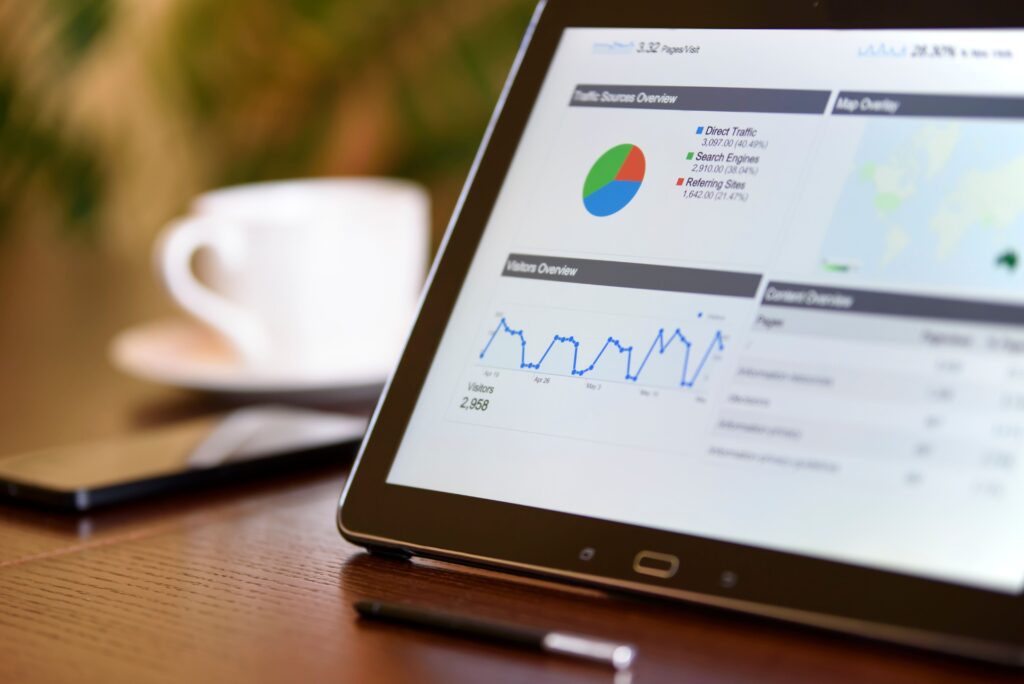
Businesses investing in auto dialer software in Delhi often gain better visibility into call performance, allowing managers to identify trends, measure agent productivity, and make informed decisions for continuous improvement. Regular reporting and performance analysis help sales teams refine their approach, identify successful calling strategies, and improve campaign results over time. Explore Tam Infosoft’s call reporting and analytics features to see this in action.
Quick Checklist: Is Your Outbound Calling Process Efficient?
- Are reps manually dialing numbers, or is dialing automated?
- Are leads called in order of priority, or simply worked top-to-bottom?
- How much idle time passes between one call ending and the next starting?
- How many calls end up wasted on voicemail or no-answer instead of live conversations?
- Do you track call outcomes and agent performance regularly, or only occasionally?
If most of these points to manual effort rather than automation, there’s likely meaningful efficiency to gain.
Why Auto Dialer Software in Delhi Matters
Each of these improvements — less manual dialing, better lead prioritization, reduced idle time, stronger engagement, and clearer performance tracking — becomes significantly easier with the right calling infrastructure.
Tam Infosoft’s auto-dialer software is built to address these challenges, helping sales teams spend less time on administrative overhead and more time on conversations that actually convert.

Conclusion
Outbound sales calling continues to be an important channel for lead generation and customer engagement. By reducing manual tasks, prioritizing qualified leads, improving customer conversations, and tracking performance, businesses can significantly improve their sales efficiency.
Investing in the right auto dialer software in Delhi can further streamline outbound calling processes, helping sales teams improve productivity while delivering better customer experiences.
Frequently Asked Questions (FAQs)
Q1. How does an auto dialer actually save time compared to manual dialing?
An auto dialer removes the repetitive work of looking up numbers, dialing manually, and waiting for calls to connect. This lets representatives spend more of their working hours actually talking to prospects rather than on administrative tasks between calls.
Q2. Why does lead prioritization matter if an auto dialer can call everyone anyway?
Calling volume alone doesn’t drive results — conversation quality does. Prioritizing leads based on interest level or prior interactions, often using CRM data alongside the dialer, helps teams spend their limited time on prospects most likely to convert.
Q3. What is predictive dialing, and how is it different from a regular auto dialer?
Predictive dialing uses call data to anticipate when an agent will be free and automatically connects them to the next available customer, minimizing idle time between calls. A basic auto dialer may still leave gaps that predictive dialing is designed to eliminate.
Q4. What is Answer Machine Detection and why does it matter?
Answer Machine Detection identifies when a call has reached voicemail instead of a live person, so agents aren’t left waiting on calls that won’t result in a real conversation. This keeps more of an agent’s time focused on live customer interactions.
Q5. What metrics should businesses track to improve outbound calling performance?
Call outcomes, connection rates, agent talk time, and campaign-level conversion trends are good starting points. Reviewing these regularly helps managers spot what’s working and refine calling strategies over time.
Q6. Is auto dialer software only useful for large call centers?
No. While large call centers see significant efficiency gains, smaller sales teams also benefit — particularly from reduced idle time and better lead prioritization, which matter regardless of team size.
To see how Tam Infosoft’s auto dialer software can improve your outbound sales calling efficiency, get in touch with our team today.